
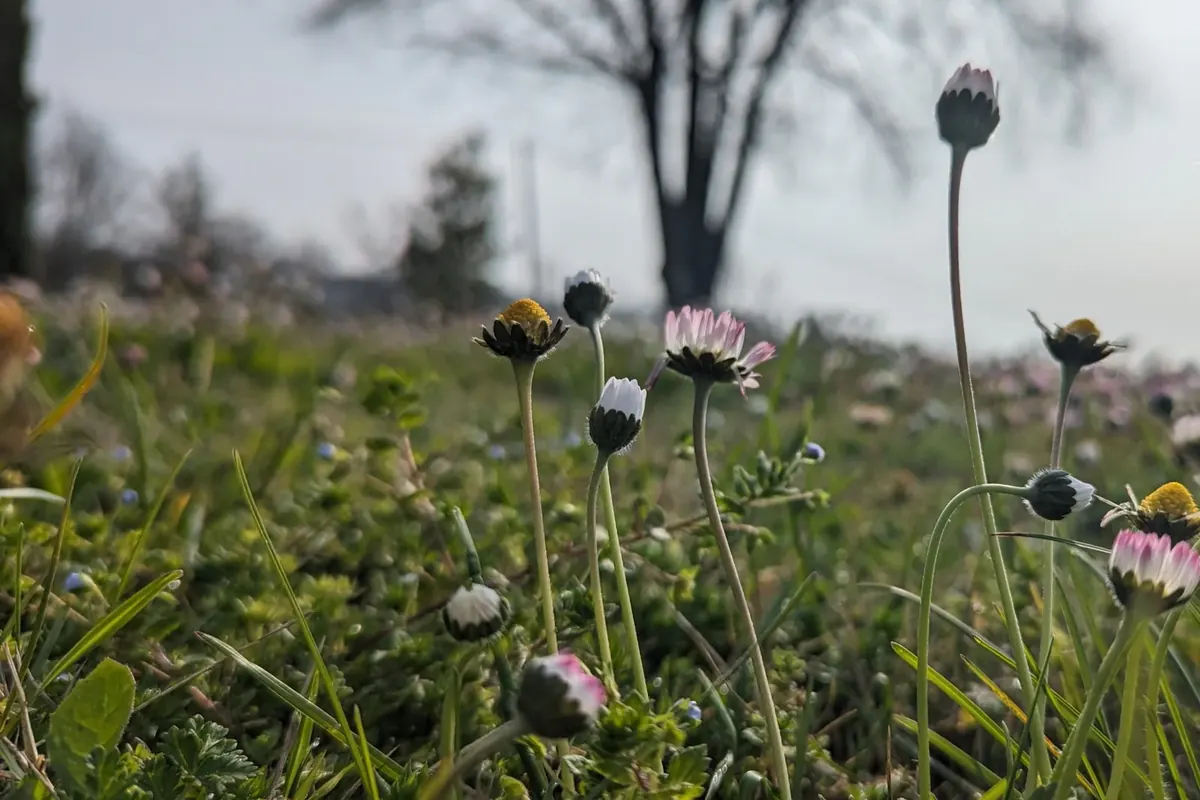
Looking at the vineyards of Tenuta Magrini from the hills of Grazzano Badoglio, one thing stands out immediately: there is no sharp boundary between vineyard and woodland of the kind you see in many other Monferrato estates. Trees, hedgerows and strips of spontaneous vegetation alternate with rows of Barbera. It is not an oversight: it is a deliberate choice.
Organic farming does not simply mean eliminating synthetic pesticides. It means rebuilding (or rather, not destroying) the web of relationships that exists naturally between soil, plants, insects, birds and microorganisms. The wood bordering our vines is not a leftover of the landscape. It is an active part of our agronomic management.
The woodland as a thermal buffer
The Monferrato hills are exposed to cold currents descending from the Alps in spring and to summer heatwaves rising from the Po plain. In both cases, the presence of woodland on the north-western side of the estate creates a natural barrier that moderates the extremes.
In spring, late frosts are the greatest risk for Barbera shoots, which emerge early compared with other varieties. The tree mass absorbs and releases heat more slowly than bare soil or open vineyard, creating a buffer effect that can make the difference between damaging frost and a cool but manageable night. In summer, the same mass slows the wind and limits evaporation, helping to retain soil moisture during dry spells.
The margins are not dramatic, but in organic viticulture, where systematic supplemental irrigation is not part of the toolkit, every degree and every litre of water held in the soil matters.
Natural pest control
Managing pests in an organic vineyard rests on a simple principle: encourage the natural predators of harmful insects. But natural predators (ladybirds, lacewings, parasitoid wasps, bats, swallows) need habitat in which to nest, overwinter and reproduce. A clean, monocultural vineyard offers them none.
The woodland and perimeter hedgerows of our vineyards function as biological reservoirs: they sustain stable populations of beneficial insects that spread into the vine rows during the growing season. The bats roosting in old trees at the vineyard margins consume significant quantities of grape moths and other nocturnal lepidoptera every night. The blackbirds and great tits nesting in the wood comb the vines for larvae and caterpillars.
This equilibrium is not built in a single season: it requires years of continuity and the willingness to forgo broad-spectrum treatments that would wipe out beneficial populations alongside harmful ones. It is one of the long-term investments of organic farming that is rarely talked about.
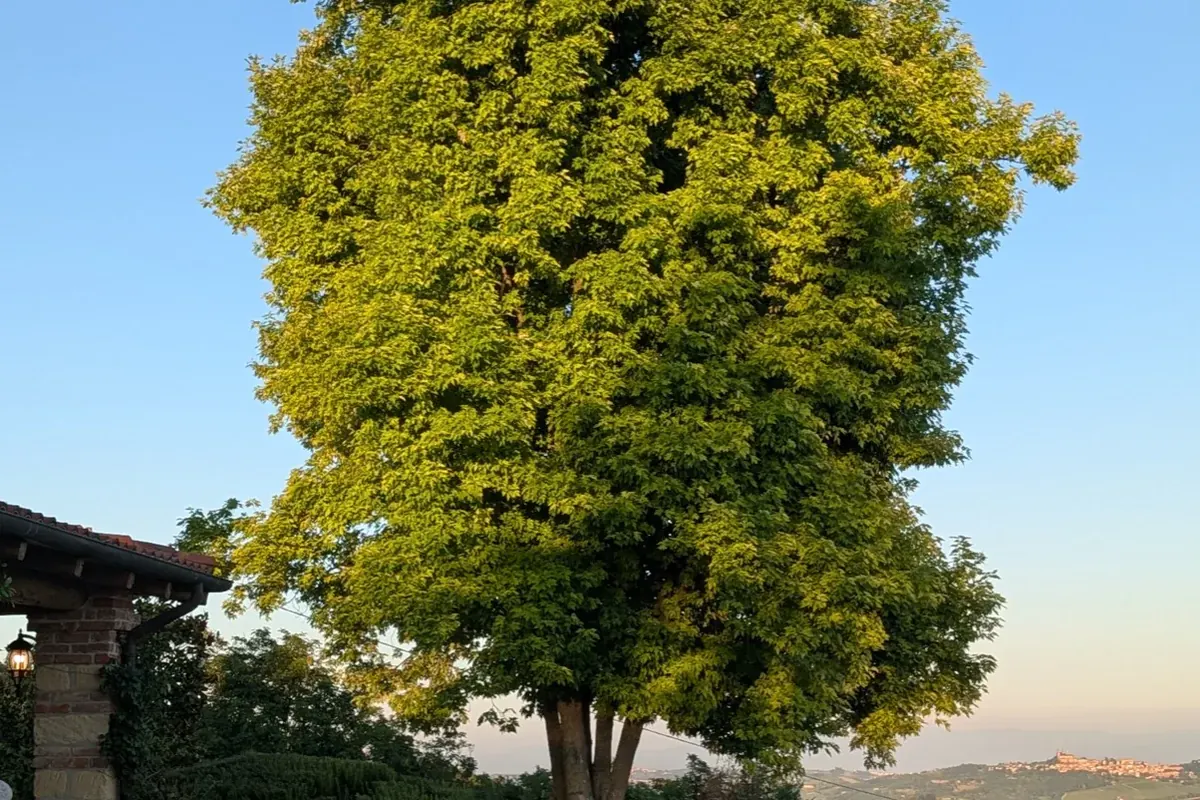
Cover crops between the rows
Between the rows at Tenuta Magrini, bare soil does not exist. We manage the inter-rows with cover crops, mixtures of grasses and legumes that are sown or allowed to establish spontaneously, then mulched at specific points in the vegetative cycle.
Legumes (clover, vetch, field bean) fix atmospheric nitrogen in the soil, reducing the need for external fertilisation. Grasses (ryegrass, fescue) stabilise the soil on slopes, limit erosion during heavy rain and create a layer of organic matter when mulched. Together they keep soil fauna active (earthworms, nematodes, arthropods) which is the true fertility engine of a healthy vineyard.
Cover crops do something else too: they provide shelter and food for pollinators and for the natural enemies of vine pests. Clover flowers are a nectar source for bees; the interior of the inter-row is a microhabitat where ladybirds and lacewings find alternative prey during periods when vine pests are scarce.
Wildlife as an indicator
One of the indicators we use to assess the health of our viticultural ecosystem is not a chemical parameter. It is the presence of wildlife. Hedgehogs, hares, badgers, buzzards, tawny owls: their stable presence in and around the vineyard tells us that the food chain is functioning, that the soil is alive, that there are no toxic substances breaking the links.
This is not sentimentalism. It is agronomy. An ecosystem that supports wildlife is an ecosystem that also supports vine roots, soil microorganisms, and the indigenous yeasts that we will find on the grapes at harvest. Biodiversity in a vineyard is not an ornament: it is infrastructure.
Keep reading
This article is part of the Organic Farming cluster at Tenuta Magrini. You can also discover how digital technology supports our work in the vineyard in the article on XFarm and digital agriculture, or explore the wines that come from this land.