
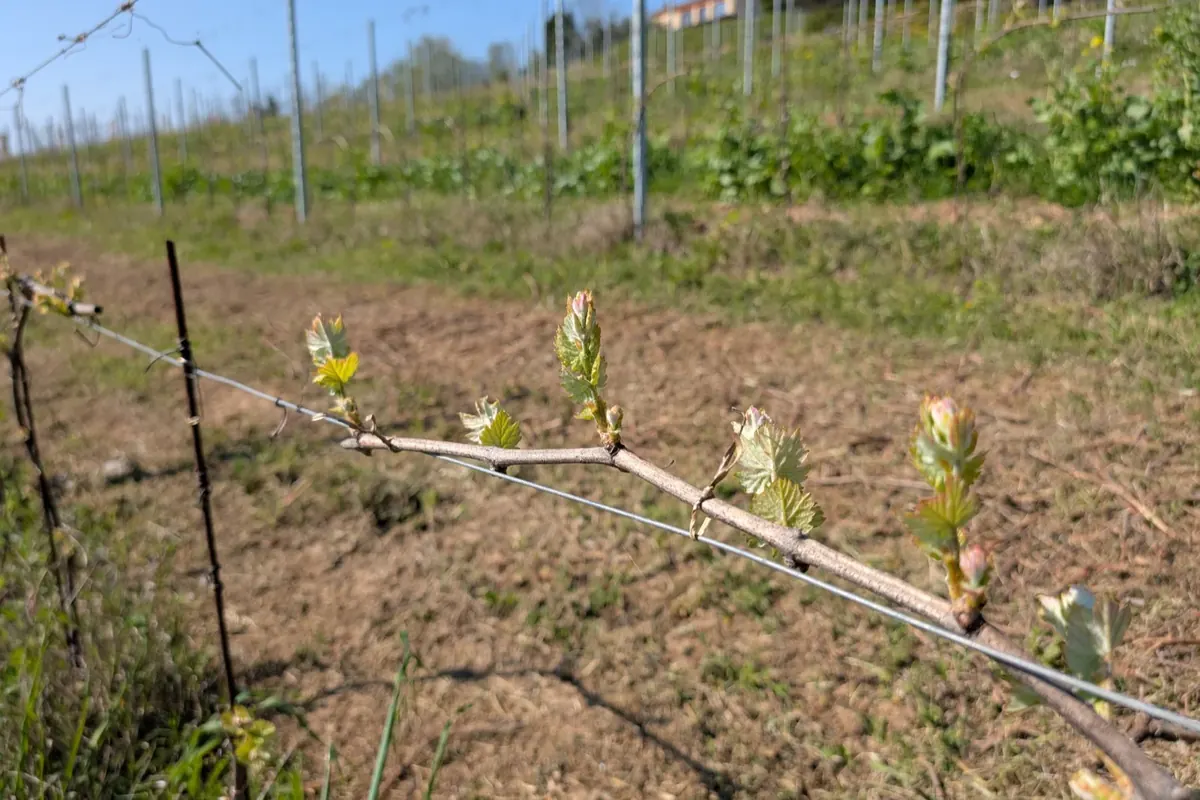
Organic Farming
ICEA Certification: Our Journey
Who ICEA is, how the conversion process works, and what the certification logo on the label actually guarantees
Every time the ICEA logo appears on a label, it means that someone (an independent inspector, at least once a year) has gone into the field and verified that the rules of organic farming are actually being followed. It is not a statement of intent: it is a guarantee verified by a third party. To understand what that means, it helps to know who ICEA is, how certification works, and what we at Tenuta Magrini did to get there.
Who is ICEA
ICEA, Istituto per la Certificazione Etica e Ambientale (Institute for Ethical and Environmental Certification), is one of Italy's leading organic control and certification bodies. It is accredited by Accredia (Italy's national accreditation body) and recognised by the Ministry of Agriculture to operate in the organic farming sector under European regulations. It operates across the country and certifies agricultural producers, processors, importers, and distributors.
ICEA is not only an organic farming certifier: it also covers natural and organic cosmetics, fair trade, and other ethical and environmental standards. In the wine sector, it certifies both vineyard production and cellar winemaking, covering the full chain required for the "organic wine" designation under EU rules.
The conversion process: how it works
Switching to organic does not happen overnight. European regulations require a conversion period of at least two years for vineyards (three for arable land) during which the producer must already apply all organic rules (no synthetic pesticides, no chemical fertilisers), but cannot yet certify the product as organic. It is a period of "cleansing" for the soil and the vines: residues from years of conventional treatments must work their way out before the vineyard can be considered fully organic.
A producer starting conversion must notify the farm plan to the chosen certifying body, keep a record of all agricultural operations, and open the farm to periodic inspections. ICEA carries out at least one inspection visit per year, with the possibility of unannounced checks. During each visit, inspectors review records and treatments carried out, cross-reference products stored on site with those permitted, and, where necessary, take soil, leaf, or grape samples for laboratory analysis.
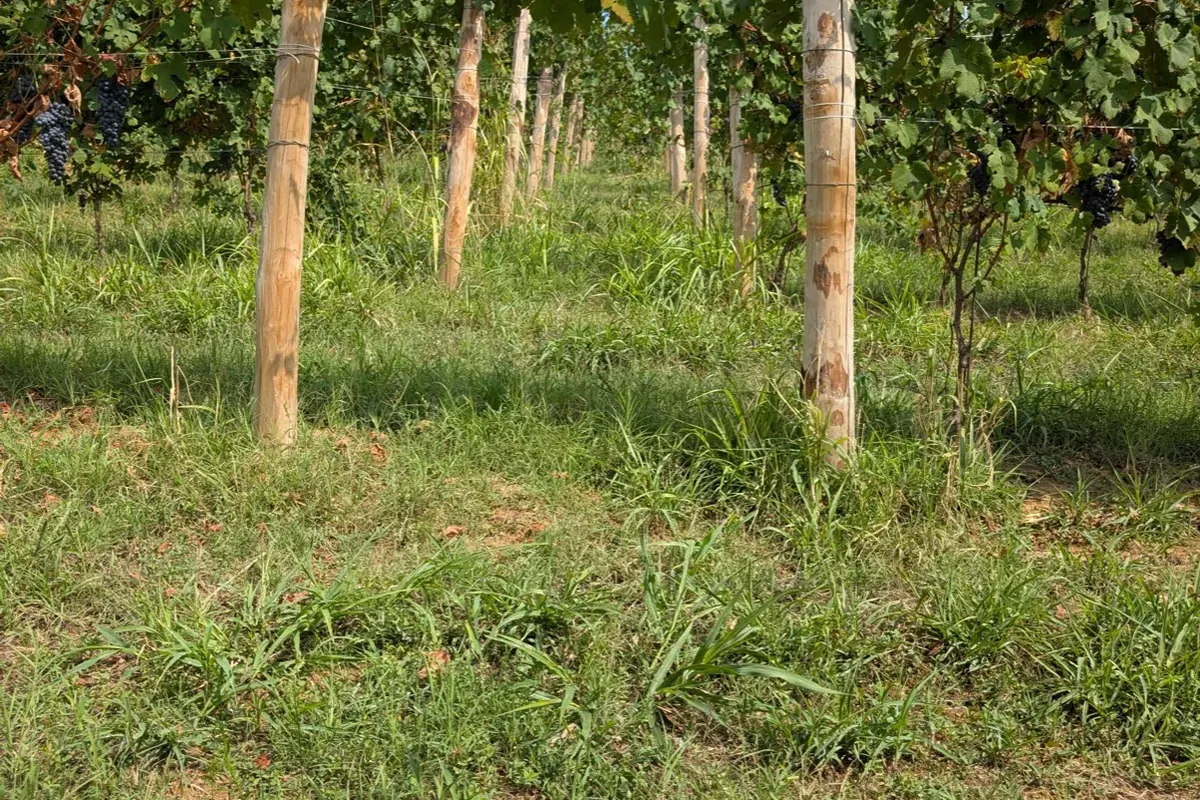
Tenuta Magrini's journey
At Tenuta Magrini, we never used synthetic pesticides on our vines. From the beginning, when we acquired and began working these plots, the choice was to farm in a way that respected the soil and the plant. Since 2021 we eliminated herbicides entirely, one of the last categories of conventional products still found in many farms transitioning to organic.
The formal conversion began in 2023: we notified our farm plan to ICEA, began systematically documenting every vineyard intervention, and opened our fields to the first official inspections. For us, conversion did not mean changing farming practices (those were already right), but building the documentary record that makes those practices verifiable by a third party.
The certification process confirmed what we already knew: our vineyards in Monferrato, at Grazzano Badoglio, were already clean. Soil and grape analyses found no synthetic residues. This allowed us to complete the certification process with our first ICEA-certified vintage.
The inspections: what gets checked
The ICEA inspector first verifies consistency between the farm record and the actual state of the vineyard. They check plant protection products purchased and used, comparing them against the approved list. They verify that there are no contamination sources from adjacent non-organic plots (buffer zones may be required). In the cellar, winemaking records are reviewed: which additives and processing aids were used, in what quantities, on which batches. They also confirm that added sulphites fall within the limits set by organic regulations.
The inspection results in a report submitted to ICEA: if everything is in order, the certificate is issued or renewed. If non-conformities are found, the producer has time to correct them, but certification can be suspended or revoked.
What it means for the buyer
The ICEA logo on the label says one precise thing: an independent third party has verified that those grapes were grown without synthetic pesticides, without chemical fertilisers, without GMOs, and that in the cellar the legal limits for organic wine were respected. It is a documented, inspected fact, not a promise.
For us, certification is not the end of the journey, but the confirmation of a choice made before any formal system existed to document it. If you want to understand what that choice means for the wine we produce, read our philosophy or discover the details of our sustainability in the cellar.
Our ICEA certified wines
Our labels, all ICEA organic certified. Grown without synthetic chemistry in the hills of Monferrato.