
Monferrato · Piedmont · UNESCO
Monferrato
A land of marl, wind and patience
The territory
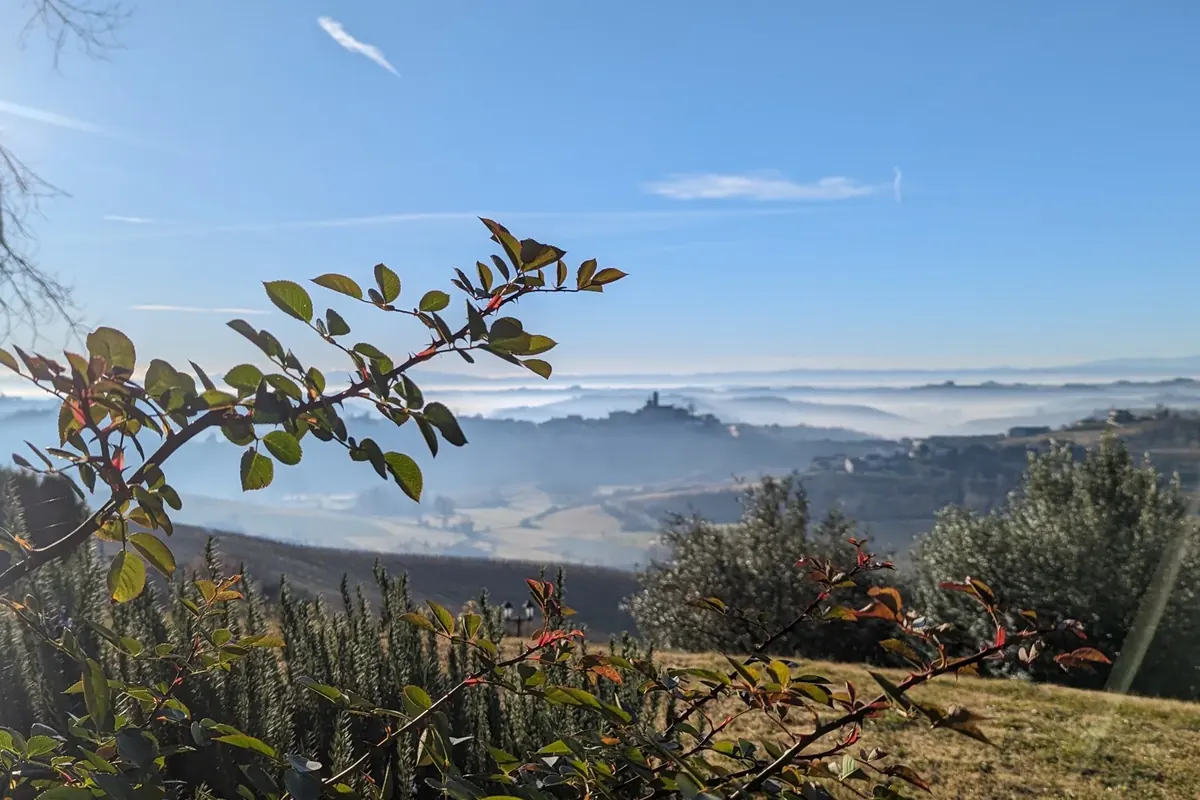
To visit Monferrato is to rediscover a territory with a centuries-old vocation for farming. Its landform is marked by a complex, dynamic system of hills, raised from the sea floor through the Miocene and the Pliocene. That geological past bears directly on the shapes of the land today, which change visibly as you move from north to south. Since 2014 it has been a UNESCO World Heritage Site, a recognition that put an official stamp on something the people who live here already knew.
The wine identity of this territory is written in the soil before it is written in any bottle. The white marls of the Miocene (clay, limestone, fine sand) give Barbera that stubborn natural acidity, that mineral tension you will not find anywhere else. Monferrato does not produce easy wines. It produces honest ones.
We are in Grazzano Badoglio, a village of just over six hundred people in the Asti stretch of Monferrato, at 350 metres above sea level, south-facing, forest at our backs. This is where we chose to put down roots. This is where every vintage tells a different story, and that is the only reason we keep making it.
Deep dives
Everything worth knowing
about Monferrato
01
Monferrato: territory, climate and terroir
From Miocene marine deposits to Apennine winds, everything that makes Monferrato wine country unique. The geography, the climate patterns, and why the vines grown here produce wines so distinctly their own.
Read the article
02
Grazzano Badoglio: our village
A hamlet in Asti's Monferrato: six hundred souls, a Romanesque church and the quietest hills we know. We explain the place where we chose to make wine, and why it matters.
Discover the village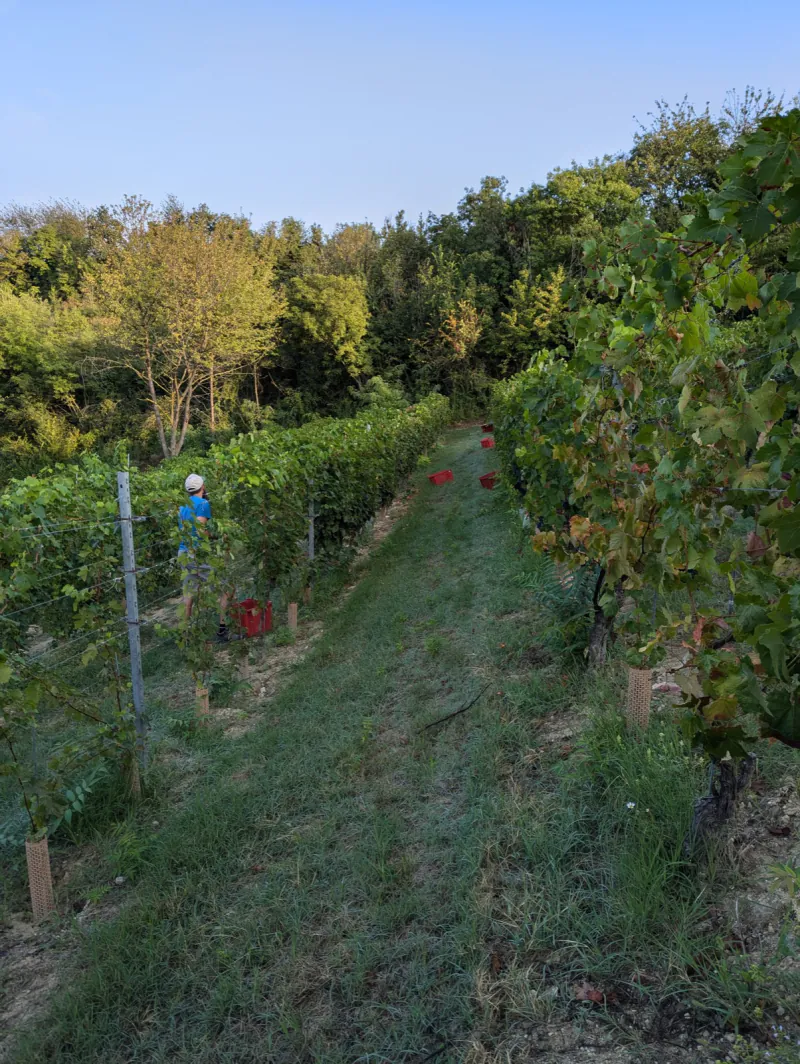
03
Monferrato soils: marl, clay, limestone
White marls, blue clays, active limestone. How Monferrato's geology translates into the glass: acidity, minerality, and the structural tension that sets a Barbera from these hills apart from any other.
Read the article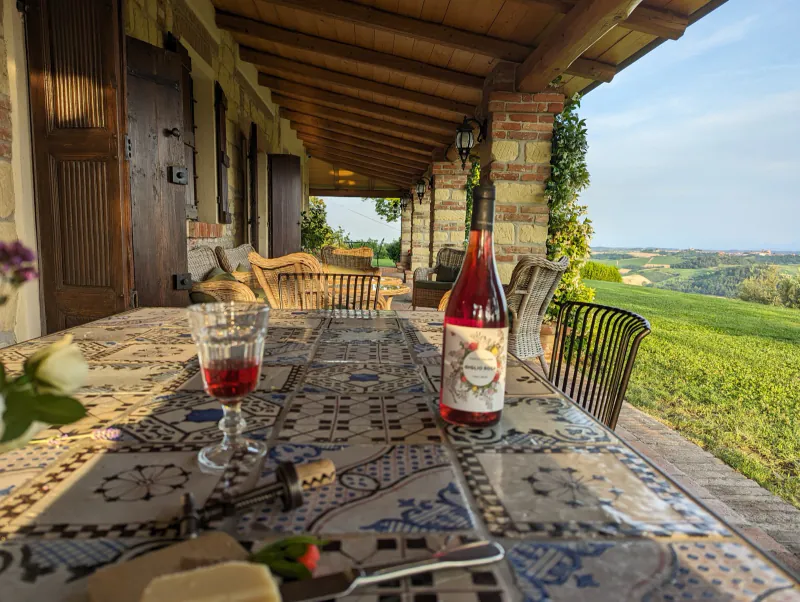
04
Wine tourism in Monferrato: what to visit
Medieval villages, castles, cellars, local festivals and wine roads. A guide written by locals for visitors arriving for the first time, or the fifth, and wanting to go deeper.
Explore the itineraries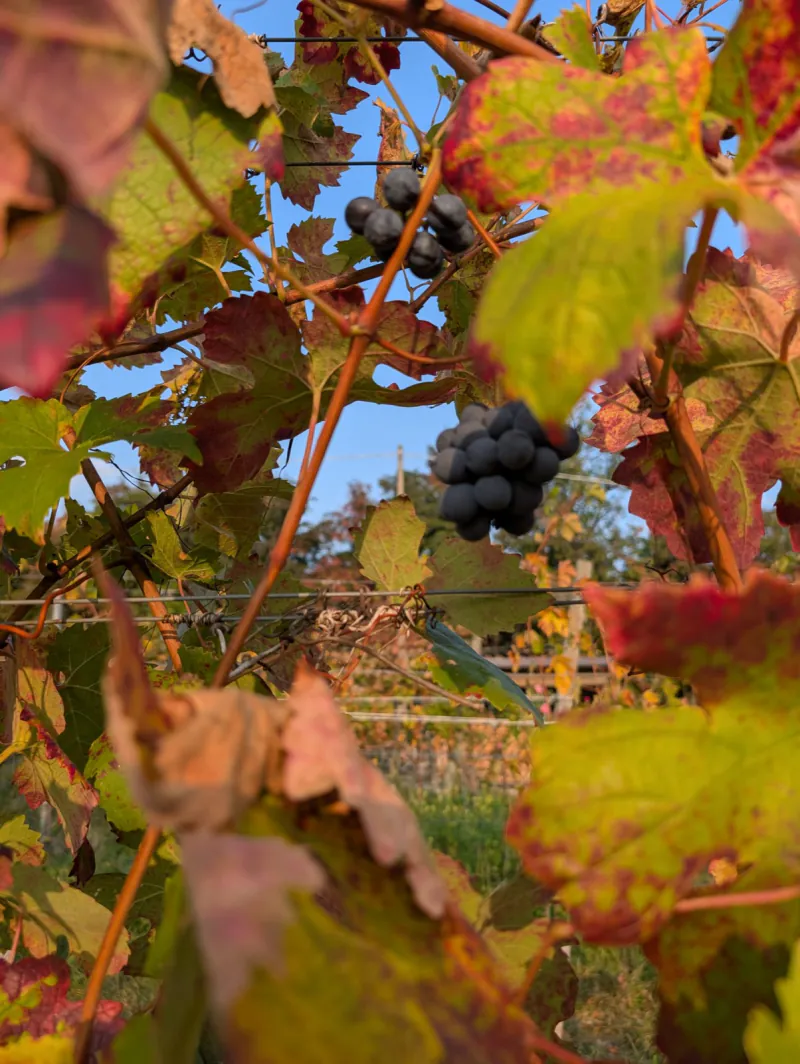
05
Seasons in the vineyard: a year in Monferrato
From January pruning to September harvest, through flowering, August heat and the first cool nights. What happens in the vineyard month by month, told by the people who actually do it.
Read the articleFrequently asked
Questions we
get asked
most often
Write to us
A landscape
given to farming.
Monferrato is shaped by the form of its hills and by the people who look after it, and has been for centuries. Write to us, and we will tell you about it, unhurried.